Mastering the Dynamics of Europa League Market Analysis
Mục lục
Why are modern spectators shifting their focus toward the intense mid-week European football battles that define the current sporting landscape? The surge in interest for kèo bóng đá Cup C2 reflects a growing trend where fans seek high-stakes competition and diverse tactical matchups beyond the traditional elite leagues.
The current trend in global sports viewership shows a massive pivot toward the Europa League as it sheds its former reputation as a secondary tournament. Fans are now more engaged than ever in tracking the Kèo Bóng Đá fluctuations that occur as top-tier clubs from England, Italy, and Spain clash with hungry underdogs. This shift is largely driven by the high-scoring nature of the competition and the unpredictable results that keep enthusiasts on the edge of their seats. Analyzing the specific kèo bóng đá Cup C2 provides a unique window into the tactical depth of European football, where motivation often outweighs raw talent on the pitch.
How the New League Phase Format Impacts Match Odds

The recent transition from a traditional group stage to a unified league phase has fundamentally altered how teams approach every single fixture. Under this new UEFA structure, every goal scored and every point earned contributes to a massive single table, making the margin for error incredibly slim. This change has made the kèo bóng đá Cup C2 more dynamic, as teams can no longer afford to “rotate” their squads as heavily as they did in previous years.
In addition, the elimination of the “drop-down” system from the Champions League has added a layer of prestige to the competition. Every club participating now knows that their path to glory is self-contained within this tournament from start to finish. Notably, this structural shift has led to more aggressive offensive play, as goal difference now serves as a critical tiebreaker in the expanded standings.
For those who track performance metrics, the league phase ensures that mid-tier clubs have a genuine chance to climb the rankings by securing wins against diverse opponents. This variety ensures that the market remains fresh, with new storylines emerging after every matchday. One thing very few actually pay attention to is how the travel distance for away teams in this format significantly influences the physical readiness of the players.
Tactical Variations and Coaching Philosophies in the Europa League
The Europa League serves as a prestigious laboratory for some of the most innovative coaching minds in the sport today. Because the tournament features a mix of established giants and rising stars, the tactical setups vary wildly from high-pressing systems to disciplined low blocks. A significant portion of successful analysis involves understanding how a manager from the Eredivisie might counter the physical intensity of a Premier League side.
Beyond that, the tournament often showcases young talents who are looking to make a name for themselves on the continental stage. These players often bring an unpredictability to the kèo bóng đá Cup C2 that is rarely seen in more rigid domestic competitions. Coaches frequently use these matches to implement specific tactical tweaks that can bypass traditional defensive lines, leading to a higher frequency of late-game drama.
High-intensity pressing: Common among German and Austrian clubs looking to disrupt the rhythm of technical opponents.
Counter-attacking efficiency: A hallmark of Italian and Spanish sides that prioritize defensive solidity before launching rapid transitions.
Squad depth utilization: How managers manage their rosters across domestic and European commitments.
Home-field advantage: The impact of hostile atmospheres in Eastern European stadiums on visiting teams.
Another key aspect of these tactical battles is the role of the “super-sub” in European knockout stages. With five substitutions allowed, managers have more flexibility to change the course of a match in the final thirty minutes. This tactical depth ensures that the game remains competitive until the final whistle, providing a thrilling experience for those following the action closely.
Financial Stakes and the Path to Champions League Qualification
The incentive for winning the Europa League has never been higher, primarily due to the guaranteed spot in the following season’s Champions League. For many historic clubs, this tournament represents the most viable path back to the elite tier of European football. This financial and prestige-driven motivation is a core component when evaluating the kèo bóng đá Cup C2 for any given matchday.
Notably, the prize money distributed by UEFA has seen a steady increase, allowing smaller clubs to reinvest in their scouting networks and infrastructure. This creates a cycle of improvement where the gap between the “favorites” and the “outsiders” continues to shrink every season. For those who follow the business side of the sport, the commercial growth of the Europa League is a testament to its rising quality.
In addition, the coefficient points earned during these matches are vital for a nation’s standing in the UEFA rankings. This means that clubs are not just playing for their own glory, but also for the future opportunities of their entire domestic league. One thing very few actually pay attention to is how this collective responsibility can drive a team to perform even when their own qualification hopes are dim.
Technical Analysis of Pitch Conditions and Travel Logistics
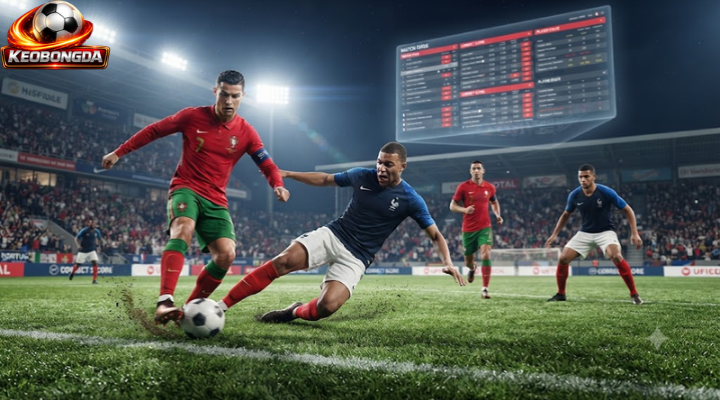
One of the most overlooked factors in European competition is the logistical challenge of cross-border travel. Teams traveling from Western Europe to far-flung destinations often face grueling flights and significant time zone changes. These external factors can have a profound impact on player fatigue and overall match performance, which is reflected in the shifting market trends.
Beyond the travel itself, the variety of pitch conditions across the continent plays a major role in how games unfold. Some stadiums feature synthetic turf, while others may have natural grass that is affected by extreme weather conditions in the winter months. A significant portion of seasoned observers will always check the local weather forecast before making any definitive judgments on a team’s potential performance.
Travel distance: Total kilometers traveled by the visiting team in the 48 hours prior to kick-off.
Climate adjustment: Transitions from mild Mediterranean weather to sub-zero temperatures in Northern or Eastern Europe.
Stadium atmosphere: The psychological impact of “fortress” stadiums where home crowds are particularly vocal.
Injury reports: The status of key players who may be rested due to the heavy fixture congestion.
Another key aspect is the recovery time between a weekend domestic match and a Thursday night European fixture. Clubs with deeper squads generally handle this transition better, whereas smaller teams may struggle with muscle injuries and burnout. This physical toll is a constant variable that adds an element of strategy to the entire tournament.
The Role of VAR and Officiating Standards in UEFA Competitions
Officiating in the Europa League is held to the highest international standards, with Video Assistant Referees (VAR) playing a crucial role in ensuring fairness. The consistency of UEFA referees often differs from domestic league officiating, particularly in how they handle physical contact and tactical fouls. For those who study the game, understanding these officiating nuances is essential for a complete picture of the match, especially when analyzing kèo bóng đá Cup C2.
In addition, the implementation of semi-automated offside technology has increased the speed and accuracy of critical decisions. This engineering precision ensures that the results are determined by the players’ skill rather than human error. Notably, the transparency of the VAR process in UEFA competitions helps maintain the integrity of the sport and keeps the focus on the actual football being played.
Beyond that, the disciplinary record of teams in European play can often be a deciding factor in two-legged knockout ties. A single red card or a suspension for a key defender can completely change the dynamic of a matchup. For those who follow the tactical side of things, tracking yellow card accumulation is a vital part of long-term tournament analysis.
Final Thoughts
The current landscape of European football continues to evolve, and the Europa League sits at the heart of this transformation. By focusing on the unique blend of tactical innovation, physical endurance, and high-stakes motivation, fans can gain a deeper appreciation for the beautiful game. The tournament remains a beacon of unpredictability and excitement, offering a platform for both legendary clubs and rising stars to shine under the bright lights of Thursday night football. Engaging with the kèo bóng đá Cup C2 allows supporters to stay connected with every goal, save, and tactical masterclass as the journey toward the final unfolds.
Explore today the comprehensive data and expert insights available to enhance your understanding of the European football scene. Complete the enrollment process in moments to join a community of passionate fans dedicated to following every twist and turn of the prestigious Europa League season.
Có thể bạn quan tâm